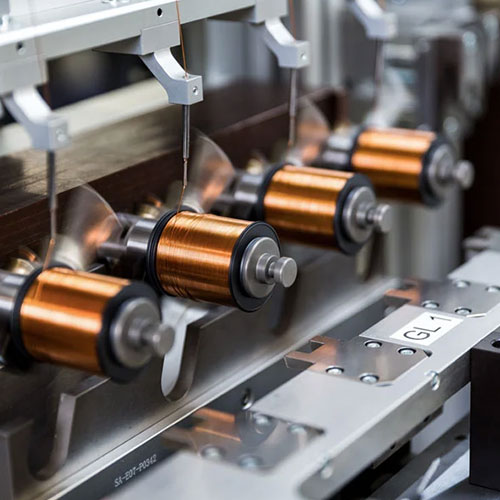
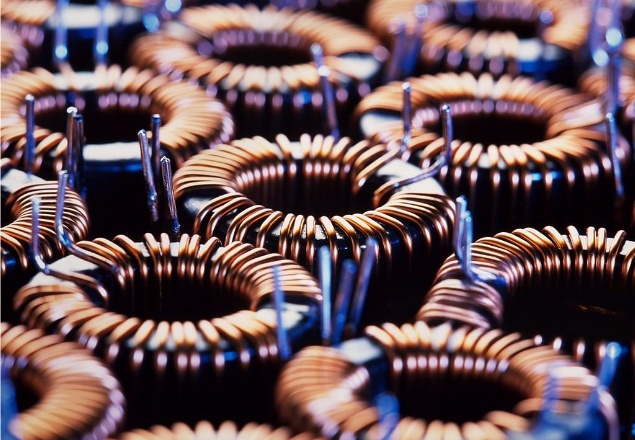
قلب غير متبلور ذو فجوة مشقوقة (قلب مغناطيسي غير متبلور ذو قطع حلقي): دليل اختيار التكنولوجيا لعام 2026
Jan, 04 2026
في عصر إلكترونيات الطاقة عالية التردد والكفاءة، يُحدد أداء المكونات المغناطيسية كفاءة النظام بشكل مباشر. وتُعدّ النواة غير المتبلورة ذات الفجوة المشقوقة تقنية رائدة تُحدث نقلة نوعية في مجالات مثل الطاقة المتجددة، واتصالات الجيل الخامس، ومصادر الطاقة الصناعية المتطورة. يهدف هذا الدليل إلى تحليل المبادئ الأساسية لهذه التقنية، ومزايا أدائها، وسيناريوهات تطبيقها، ومنطق اختيارها، بشكل منهجي، مما يُمكّن المهندسين والمصممين والمتخصصين في المشتريات من فهم إمكاناتها التطبيقية بدقة.أولاً: النواة غير المتبلورة ذات الفجوة المشقوقة: المبادئ التقنيةلفهم تميزها، من الضروري إجراء تحليل من ثلاثة أبعاد:مادة "غير متبلورة":يتم إنتاجه عبر التصلب السريع (معدل التبريد > 10⁶ كلفن/ثانية)، مما يُشكّل بنية سبيكة غير متبلورة ذات ترتيب ذري غير منتظم. تُزيل هذه البنية حدود الحبيبات ومواقع تثبيت المجال المغناطيسي، وبالتالي تُوفّر الخصائص الأساسية المتمثلة في انخفاض الإكراه المغناطيسي بشكل كبير وارتفاع النفاذية المغناطيسية.بنية "حلقية":يوفر المسار الحلقي ذو الحلقة المغلقة احتواءً مثاليًا للتدفق المغناطيسي، مما يقلل بشكل كبير من التسرب المغناطيسي، ويضمن توزيعًا منتظمًا للمجال المغناطيسي، ويعزز كفاءة نقل الطاقة.تصميم "الفجوة المشقوقة":شق أو فجوة محددة مصنعة بدقة على الحلقة المغناطيسية. هذا التصميم بالغ الأهمية:يقسم مسارات التيارات الدوامية، مما يؤدي إلى كبح خسائر التيارات الدوامية عالية التردد بشكل فعال.يخفف الضغط الداخلي، مما يعزز الاستقرار الحراري والموثوقية الميكانيكية.يشكل فجوة هوائية دقيقة موزعة، مما يحسن الأداء المغناطيسي وتبديد الحرارة.إن الجمع بين هذه الجوانب الثلاثة يجعلها حلاً مغناطيسياً مثالياً لمواجهة تحديات التردد العالي وكثافة الطاقة العالية.ثانيًا: المزايا الأساسية: لماذا نختار النوى غير المتبلورة ذات الفجوة المشقوقة؟بالمقارنة مع الفولاذ السيليكوني التقليدي والفريتات والقلوب غير المتبلورة القياسية، فإن مزاياها كبيرة:خسائر منخفضة للغاية في الترددات العالية:تعمل الفتحة على قطع التيارات الدوامية الكبيرة فعليًا. في نطاقات التردد التي تزيد عن 20 كيلوهرتز، يمكن تقليل خسائر التيارات الدوامية بنسبة تتراوح بين 30% و50% مقارنةً بالقلوب غير المتبلورة القياسية. على سبيل المثال، في ظل ظروف 100 كيلوهرتز و0.5 تسلا، يمكن أن تصل خسائر القلب الكلية النموذجية إلى 250-280 كيلوواط/م³، مما يحسن كفاءة النظام بشكل مباشر.استقرار حراري ممتاز وتبديد حرارة فعال:يُخفف الشق من الإجهاد الداخلي، بالإضافة إلى البنية غير المتبلورة/النانوية المُتحكم بها، مما يؤدي إلى الحد الأدنى من تدهور الأداء المغناطيسي (على سبيل المثال، انخفاض كثافة التدفق التشبعي بنسبة 1.5% فقط بعد التشغيل طويل الأمد في درجات حرارة عالية مثل 150 درجة مئوية (على سبيل المثال، 1000 ساعة). في الوقت نفسه، يمكن لسطح تبديد الحرارة الإضافي الذي يُشكّله الشق أن يُقلل من ارتفاع درجة حرارة القلب بمقدار 15-25 درجة مئوية.نفاذية عالية وتدفق منتظم:تؤدي النفاذية الأولية العالية (µi ≈ 5000 – 6000)، بالإضافة إلى التصميم الأمثل للحلقات والشق، إلى توزيع متجانس للغاية للتدفق المغناطيسي. وهذا يسمح للقلب بالعمل بكثافات تدفق أعلى (بزيادة تتراوح بين 15 و20%)، مما يسهل تصغير حجم الجهاز وزيادة كثافة الطاقة.أداء فائق في مجال التوافق الكهرومغناطيسي:تعمل الفجوة الهوائية الموزعة على كبح التسرب المغناطيسي بفعالية، مما يقلل من التداخل الكهرومغناطيسي المشع بمقدار 5-8 ديسيبل، والتداخل الكهرومغناطيسي الموصل بمقدار 3-6 ديسيبل. إضافةً إلى ذلك، تعمل الفجوة على تشتيت الاهتزازات المغناطيسية الانفعالية، مما يقلل بشكل ملحوظ من الضوضاء المسموعة، ويلبي متطلبات التطبيقات التي تتطلب مستويات عالية من الهدوء، مثل الأجهزة الإلكترونية الاستهلاكية ومراكز البيانات.قابلية عالية للتخصيص:يمكن تعديل معلمات الشق (الكمية، العمق، نمط التوزيع) بمرونة بناءً على متطلبات التطبيق المحددة مثل التردد (من كيلوهرتز إلى ميجاهرتز)، ومستوى الطاقة (من كيلوواط إلى ميجاواط)، والتركيز على الأداء (مثل الفقد، الحث، التكلفة)، مما يحقق توازنًا مثاليًا في التصميم.ثالثًا: سيناريوهات التطبيق الرئيسيةتُستغل مزايا أدائها بالكامل في المجالات التالية:محولات الطاقة عالية التردد:مثل محولات الرنين LLC، ومصادر الطاقة ذات الجسر الكامل المزاحة الطور، المستخدمة في مصادر طاقة الخوادم، ومصادر طاقة محطات الاتصالات الأساسية، وما إلى ذلك، لتحسين الكفاءة وكثافة الطاقة.أنظمة الطاقة الجديدة:محاثات تعزيز التردد العالي في محولات الطاقة الكهروضوئية، ومحاثات الترشيح وتخزين الطاقة في أنظمة تحويل الطاقة (PCS) لتخزين الطاقة، ومحولات طاقة الرياح.مصادر الطاقة الصناعية ومحركات القيادة:المحاثات والمحولات في مصادر الطاقة ذات الوضع التبديل متوسطة إلى عالية الطاقة، وأنظمة الطاقة غير المنقطعة (UPS)، ومحركات التردد المتغير (VFDs)، ومحركات المؤازرة.مراكز الاتصالات والبيانات:مصادر طاقة الترددات اللاسلكية من الجيل الخامس، ووحدات الطاقة عبر الإيثرنت (PoE)، ومحولات ناقل 48 فولت (BCM) في مراكز البيانات.مصادر الطاقة المتخصصة والمعدات الطبية:مصادر الطاقة للطيران، ومعدات التصوير الطبي، وما إلى ذلك، والتي تتطلب معايير عالية للغاية من حيث الكفاءة، وارتفاع درجة الحرارة، والموثوقية.رابعاً: الاعتبارات الرئيسية للاختيارعند اختيار نواة غير متبلورة ذات فجوة مشقوقة، يوصى بإجراء تقييم منهجي:تردد التشغيل والخسائر:حدد نطاق تردد تشغيل النظام وقارن منحنيات فقدان النواة المحددة (Pcv) للنوى المستهدفة ضمن هذا النطاق.القدرة وكثافة التدفق:احسب كثافة التدفق المطلوبة (ΔB) بناءً على مستوى الطاقة والطوبولوجيا، مع ضمان بقائها أقل من كثافة تدفق التشبع الأساسية (Bs) بهامش كافٍ.متطلبات إدارة الحرارة:قم بتقييم ظروف تبريد النظام واختر النوى مع مراعاة بيانات ارتفاع درجة الحرارة وخصائص تبديد الحرارة.قيود الحجم والشكل:حدد القطر الخارجي والقطر الداخلي والارتفاع والتصميم المحتمل للشق المخصص بناءً على مساحة التركيب.التكلفة وسلسلة التوريد:مع مراعاة متطلبات الأداء، يجب مراعاة التكلفة الأولية بشكل شامل، وتوفير تكاليف دورة الحياة من كفاءة الطاقة، بالإضافة إلى استقرار المورد وقدرة الدعم الفني.التوقعات المستقبليةمع تطور إلكترونيات الطاقة نحو ترددات أعلى وكفاءة أكبر وتكامل أوسع، ستواصل النوى غير المتبلورة ذات الفجوة المشقوقة، بفضل مزاياها المادية والهيكلية، توسيع نطاق تطبيقاتها. وبالاقتران مع تقنيات التغليف المتقدمة وأدوات التصميم الذكية، ستصبح هذه النوى حجر الزاوية في بناء الجيل القادم من أنظمة الطاقة الخضراء عالية الكثافة.




 الشبكة المدعومة