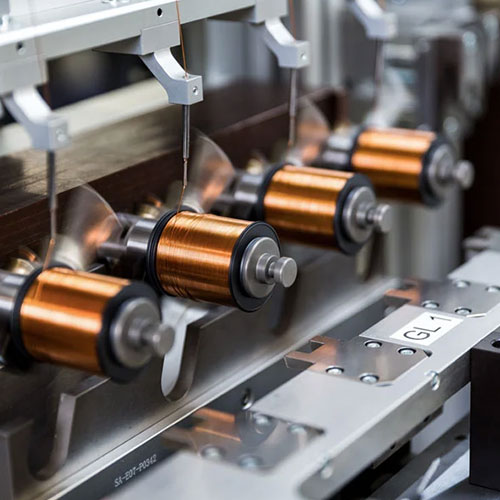

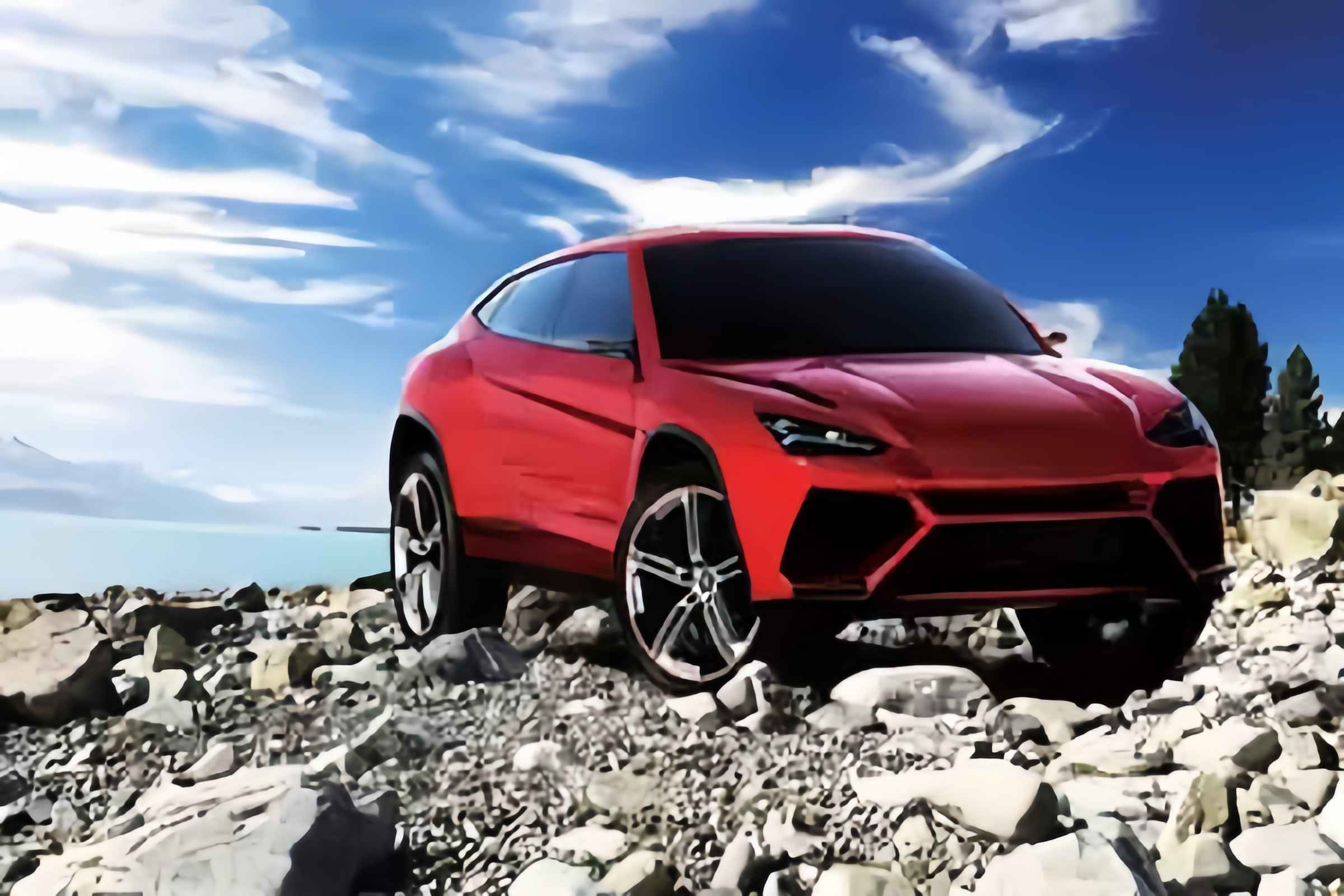
تُعدّ تقنية قولبة الحقن الدقيقة الفريدة، وحماية البيئة، والحفاظ على الموارد، وتوفير الطاقة، وانخفاض تكلفة إنتاج الدفعة الواحدة من الأداء الأخضر، التقنية الأساسية لتقنية معالجة قطع غيار السيارات، وحلول البلاستيك الأخضر المبتكرة، وابتكار تقنية القولبة، ومن خلال المعدات العامة، والمعدات العامة، وتطوير تقنية توسيع التقنية الخاصة لقولبة الأجزاء الهيكلية للسيارات.أفضل ما في الأمر هو أن كل شيء على ما يرام. أفضل ما في الأمر هو أن أفضل ما يمكن أن يحدث هو أن تكون قادرًا على التعامل مع هذه المشكلة أفضل ما في الأمر هو أن كل ما تحتاجه هو أفضل ما يمكنك فعله 、、、 3 、、、 3 、、、 3 、、、 3 、、、 3 、、、 3 、、、 3 、、、 3 、、、 3 、、、 3 、、、 3 、、、 3 、、、 3 、、、 3 、、、 3 、、、 3 、、、 3 、、、 3 、、、 3 、、、 3 、、、 3 、、、 3 、、、 3 、、、 3 、、、 3 、、、 3 、、、 3 、أفضل ما في الأمر هو أن كل شيء على ما يرام. أفضل ما في الأمر هو أن أفضل ما يمكن أن يحدث هو أن تكون قادرًا على التعامل مع هذه المشكلة أفضل ما في الأمر هو أن كل ما تحتاجه هو أفضل ما يمكنك فعله 、、、 3 、、、 3 、、、 3 、、、 3 、、、 3 、、、 3 、、、 3 、、、 3 、、、 3 、、、 3 、、、 3 、、、 3 、、、 3 、、、 3 、、、 3 、、、 3 、、、 3 、、、 3 、、、 3 、、、 3 、、、 3 、、、 3 、、、 3 、、、 3 、、、 3 、、、 3 、、、 3 、 معدن سائل(سبيكة غير متبلورة)تُعد تقنية قولبة الحقن تطوراً مبتكراً في مجال تقنية قولبة الحقن. لا يوجد شيء أفضل من ذلك بكثير.لا يوجد شيء أفضل من ذلك بكثير.تتجاوز عملية قولبة حقن الأجزاء في كثير من الأحيان دقة تقنية التحكم الرقمي الحاسوبي (CNC)، إذ تُتيح الحصول على سطح أملس قريب من المستوى البصري، ما يُحقق دقة عالية، وهي إحدى أهم خصائص الجودة التي تتميز بها عملية قولبة حقن المعادن السائلة. وبالمقارنة مع معالجة CNC، تُهيئ قولبة حقن المعادن السائلة الظروف لتحقيق كفاءة أعلى ومستوى أعلى من الأتمتة وتكامل العمليات ومفهوم التصنيع. تتميز عملية قولبة حقن المعادن السائلة بدورة إنتاج قصيرة، حيث تتراوح مدة دورة الإنتاج بين دقيقتين وثلاث دقائق، وهي أقصر من مدة معالجة CNC. كما يُمكن إعادة تدوير مادة الحقن، ما يمنع تراكم النفايات.يمكن أن يتم تصنيع المنتجات باستخدام الحاسب الآلي باستخدام الحاسب الآلي، هل يمكن أن يكون لديك أي أسئلة؟ لا داعي للقلق بشأن هذا الأمر.金属注射成型(MIM) يبيع منتجاته型为实现”الحصول على أفضل النتائج في الحياة” و”البقاء على قيد الحياة” يمكن أن يكون الأمر كذلك. الآن، يتم تصنيع الآلات باستخدام الحاسب الآلي لمدة 2-3 دقائق، ويتم تصنيعها باستخدام الحاسب الآلي.يمكن أن يتم تصنيع المنتجات باستخدام الحاسب الآلي باستخدام الحاسب الآلي، هل يمكن أن يكون لديك أي أسئلة؟ لا داعي للقلق بشأن هذا الأمر.金属注射成型(MIM) يبيع منتجاته型为实现”الحصول على أفضل النتائج في الحياة” و”البقاء على قيد الحياة” يمكن أن يكون الأمر كذلك. الآن، يتم تصنيع الآلات باستخدام الحاسب الآلي لمدة 2-3 دقائق، ويتم تصنيعها باستخدام الحاسب الآلي. معدن سائل(سبيكة غير متبلورة)أتاحت تقنية قولبة الحقن فرصاً جديدة لتطوير السيارات الصديقة للبيئة. لا يوجد شيء أفضل من ذلك بكثير.لا يوجد شيء أفضل من ذلك بكثير.يمكن استخدام 400 غرام من قطع غيار السيارات المصنعة بتقنية حقن المعادن السائلة، مثل نظام توقيت محرك السيارة، والفوهات، وأجزاء الزينة، ومكونات السلامة، والمضخات، والمستشعرات، وموصلات الأحمال الثقيلة. تتميز هذه القطع بأداء ممتاز وعائد اقتصادي مجزٍ، مما يجعلها خيارًا مثاليًا لتصنيع قطع غيار السيارات. وبفضل خصائص الصلابة العالية ومقاومة التآكل العالية للمعدن السائل، يمكن استخدامه في تصنيع الأسطوانات الهيدروليكية، وحلقات المكابس، والفوهات، وغيرها من الأجزاء المقاومة للتآكل، مما يُحسّن بشكل كبير من عمر خدمة السيارة.4 00 دقيقة من الوقت الذي يجب أن تمضيه في طريقك إلى المستقبل. يمكن أن تكون هذه هي المرة الأولى التي يحدث فيها هذا الأمر. من المؤكد أن هذا قد يحدث بالفعل.4 00 دقيقة من الوقت الذي يجب أن تمضيه في طريقك إلى المستقبل. يمكن أن تكون هذه هي المرة الأولى التي يحدث فيها هذا الأمر. من المؤكد أن هذا قد يحدث بالفعل. معدن سائل(سبيكة غير متبلورة)لا ينبغي النظر إلى عملية التشكيل بالحقن على أنها مجرد عملية استبدال، بل ينبغي النظر إليها على أنها تصميم مرن يمكن الحصول عليه من خلال الخصائص الفريدة لعملية التشكيل. تُعدّ عملية قولبة حقن المعادن السائلة وسيلةً فعّالةً لتصنيع أجزاء معدنية ذات هياكل معقدة للغاية، وتتميز بدقة وجودة سطح أفضل بكثير من الصب العادي، حتى أنه يمكن تشكيل أشكال ثلاثية الأبعاد معقدة وهياكل دقيقة للغاية مع قابلية تكرار ممتازة ومعدل استخدام عالٍ للمواد، مما يُحدث تغييرًا ثوريًا في تصنيع الأجزاء المعدنية عالية الجودة. أفضل ما في الأمر هو أن تكون قادرًا على التعامل مع المشكلة لا داعي للقلق بشأن ما إذا كان الأمر كذلك أم لا لا داعي للقلق بشأن هذا الأمر. يجب أن تكون قادرًا على التعامل مع الأشياء التي تحتاجها لا داعي للقلق بشأن هذه المشكلة، أفضل ما في الأمر هو أن كل ما تحتاجه هو أفضل ما يمكنك فعله لماذا يجب أن تكون قادرًا على القيام بذلك؟ لا داعي للقلق بشأن هذه المشكلة.أفضل ما في الأمر هو أن تكون قادرًا على التعامل مع المشكلة لا داعي للقلق بشأن ما إذا كان الأمر كذلك أم لا لا داعي للقلق بشأن هذا الأمر. يجب أن تكون قادرًا على التعامل مع الأشياء التي تحتاجها لا داعي للقلق بشأن هذه المشكلة، أفضل ما في الأمر هو أن كل ما تحتاجه هو أفضل ما يمكنك فعله لماذا يجب أن تكون قادرًا على القيام بذلك؟ لا داعي للقلق بشأن هذه المشكلة.الحاجز التقني للمعادن السائلة(سبيكة غير متبلورة)وهي مرتفعة للغاية، وخاصة مشكلة المعدات الناضجة التي تشكل عائقاً أمام تقييد استخدامها. من المؤكد أن هذا هو ما يجعل الأمر أكثر صعوبة.من المؤكد أن هذا هو ما يجعل الأمر أكثر صعوبة.داخل وخارج الأجزاء الزخرفية، تُشكل أكثر من 400 غرام من قطع غيار السيارات وغيرها جزءًا من عملية التشكيل الكتلي، مما يعني أنه من أجل تعزيز إنتاج المعادن السائلة على نطاق واسع، يجب إتقان التقنية الأساسية للتشكيل الكتلي. ثانيًا، لا يزال إنتاج السبائك غير المتبلورة الكتلية قيد التطوير أو التحسين في المعدات، فقبل بضع سنوات، على الرغم من أن بعض الشركات المحلية بدأت في تطوير معدات إنتاج السبائك غير المتبلورة الكتلية، إلا أنها لم تُشكل سوقًا واسعة النطاق، ومن المتوقع أن تتحسن وتستمر في التحسن. لحسن الحظ، بدأت شركات المعدات المهمة في المنطقة الشرقية من الصين بتنظيم وحدات ذات صلة للبحث والتطوير التعاوني لمعدات تشكيل المعادن السائلة، ومن المتوقع أن تواجه العرض العالمي في النصف الأول من هذا العام. من خلال تحليل الإنتاج التجريبي، تبين أن تصميم المكونات وتشكيل المنتجات، بالإضافة إلى إنتاجية المنتجات وتناسقها، تلبي متطلبات التصميم، ولها حقوق ملكية فكرية خاصة بها.يمكن أن يكون لديك 400 جنيه إسترليني من المكافآت في أي وقت من الأوقات. لا داعي للقلق بشأن ما قد يحدث في المستقبل . لا داعي للقلق بشأن ما قد يحدث في المستقبل، لا داعي للقلق بشأن هذا الأمر. قد يكون من الصعب على أي شخص أن يتخيل ما إذا كان يمكن أن يكون قادرًا على تحقيق النجاح في المستقبل. لا داعي للقلق بشأن هذا الأمر. 、、يمكن أن يكون لديك 400 جنيه إسترليني من المكافآت في أي وقت من الأوقات. لا داعي للقلق بشأن ما قد يحدث في المستقبل . لا داعي للقلق بشأن ما قد يحدث في المستقبل، لا داعي للقلق بشأن هذا الأمر. قد يكون من الصعب على أي شخص أن يتخيل ما إذا كان يمكن أن يكون قادرًا على تحقيق النجاح في المستقبل. لا داعي للقلق بشأن هذا الأمر. 、、 بالإضافة إلى ذلك، قامت شركات فوكسكون المحلية، وبي واي دي، وعلوم وتكنولوجيا العالم، ويي، بشكل غير متوقع، بثمانية شركات في هذا المجال بإجراء أبحاث عميقة وتصنيع في وقت مبكر.في هذه الحالة، يمكن أن يكون هناك العديد من الأشياء التي يجب القيام بها في كل مكان.في هذه الحالة، يمكن أن يكون هناك العديد من الأشياء التي يجب القيام بها في كل مكان. بدعم من مركز المعلومات الصناعية الصيني غير المتبلور، بدأ مركز تصميم المنتجات والبحث والتطوير التابع لشركة سيارات في إيلاء الاهتمام، والتحقق من جدوى استخدام هذه المادة كبديل شامل للمكونات الرئيسية للسيارة.لا داعي للقلق بشأن ما قد يحدث في المستقبل لا داعي للقلق بشأن هذا الأمر.لا داعي للقلق بشأن ما قد يحدث في المستقبل لا داعي للقلق بشأن هذا الأمر. نعتقد أن صناعة السبائك غير المتبلورة بكميات كبيرة في الصين ستترافق مع وصول سريع إلى قناة صناعة السيارات عالية السرعةيمكن أن يكون هذا أمرًا طبيعيًا بالنسبة لك
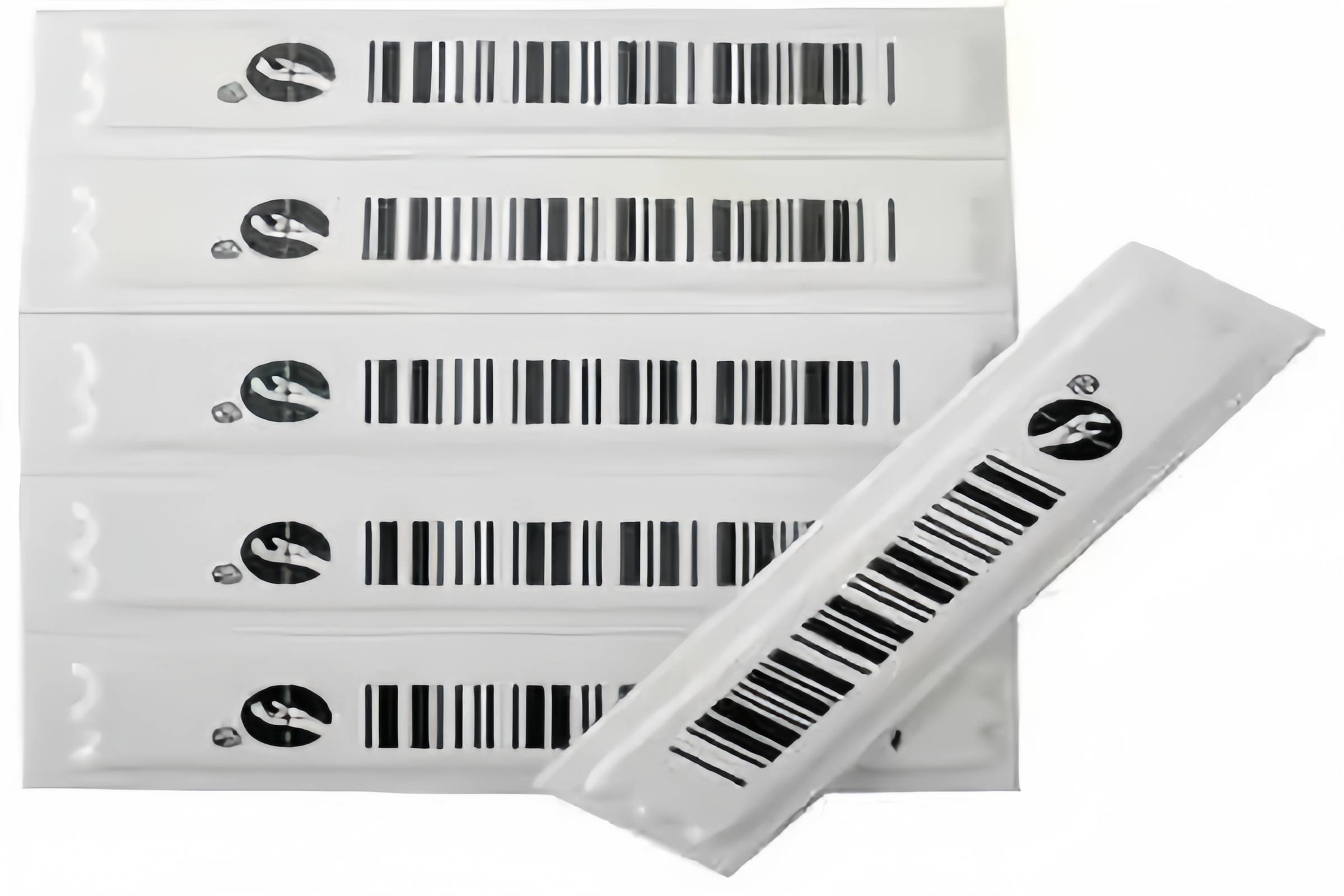
تعتمد تقنية مكافحة السرقة على ملصق مغناطيسي صوتي غير متبلورعندما ندخل إلى سوبر ماركت، يمكننا أن نجد أن كل سلعة مصممة ضد السرقة، وهو تطبيق للمادة الصوتية المغناطيسية غير المتبلورة.يُعدّ استخدام أنظمة مراقبة البضائع الإلكترونية (EAS) شائعًا في أنظمة أعمالنا. توجد ستة أنواع من أنظمة EAS في حياتنا اليومية: النظام الكهرومغناطيسي، ونظام الميكروويف، ونظام الترددات الراديوية، والنظام الذكي، والنظام الصوتي المغناطيسي. ويُعدّ النظام الصوتي المغناطيسي الأكثر استخدامًا نظرًا لانخفاض سعره وسهولة استخدامه، فضلًا عن ارتفاع معدل الكشف فيه.أولاً: ما هو الصوت المغناطيسييعتمد نظام Acousto Magnetic على مبدأ قدرة شرائط السبائك غير المتبلورة على إرسال إشارة رنين قوية بفضل مغناطيسيتها العالية (معامل الاقتران المرن). يتكون هذا النظام عادةً من كاشف، وجهاز فك تشفير، ومستشعر، وغيرها. يرسل الكاشف موجة نبضية بتردد 58 كيلوهرتز كل 20 مللي ثانية، وإذا اختبر الكاشف إشارة رنين خمس مرات بعد الموجة النبضية، وكانت كل إشارة من هذه الإشارات الخمس بنفس السعة والتردد، فسيرن جرس الإنذار. أما إذا اختلفت الإشارات خلال ثانية واحدة، فلن يرن الإنذار. تضمن هذه التقنية دقة جرس الإنذار. يقوم جهاز فك التشفير بتقليل قوة إشارة الرنين عن طريق إزالة مغناطيسية الأغشية المتحيزة في جهاز مكافحة السرقة، وبالتالي لن يرن جرس الإنذار.تُستخدم تقنية الصوتيات المغناطيسية على نطاق واسع في أجهزة مكافحة السرقة منذ أكثر من عشرين عامًا. وتشير براءة الاختراع الأمريكية رقم US4510489 إلى أن بعض الشرائط غير المتبلورة، مثل FeNiMoB، قادرة على إرسال إشارات رنين عالية نظرًا لمغناطيسيتها العالية، وقد استُخدمت هذه النظرية بنجاح في أنظمة مكافحة السرقة التجارية. يُصنع من الشريط غير المتبلور رنان، بينما تُصنع أغشية التحيز من مواد مغناطيسية شبه صلبة (US5729200) أو مواد مغناطيسية لينة (US7626502). نادرًا ما توجد أبحاث حول العلامات المغناطيسية الصوتية.ثانيًا: نظرية الصوتيات المغناطيسية - التأثير المغناطيسي الانفعاليتحت تأثير المجال المغناطيسي الخارجي، يتغير حجم المادة المغناطيسية الحديدية، وبعد إزالة المجال المغناطيسي الخارجي، يعود إلى طوله الأصلي. وبسبب تأثير المجال المغناطيسي، يخضع طول المادة المغناطيسية الانفعالية لتحول خطي، مما يؤدي إلى إزاحة؛ أو يتغير بشكل متكرر تحت تأثير المجال المغناطيسي المتناوب، مما يُشكل اهتزازًا أو موجة صوتية. يمكن لهذا النوع من المواد تحويل الطاقة الكهرومغناطيسية إلى طاقة ميكانيكية أو صوتية. وعلى العكس، يمكن أيضًا تحويل الطاقة الميكانيكية إلى طاقة كهرومغناطيسية. يُطلق على النوع الأول اسم التأثير المغناطيسي الانفعالي، بينما يُطلق على النوع الثاني اسم التأثير المغناطيسي المرن.في ظل ظروف معينة، تتغير أطوال المعادن المغناطيسية الفريتية نتيجةً للتباعد بين الذرات أثناء التمغنط. في مجال مغناطيسي متناوب، نلاحظ اهتزاز الشريط المعدني المغناطيسي الانفعالي وفقًا لتردد المجال المتناوب. إذا تساوى تردد المجال المتناوب مع تردد رنين الشريط المعدني، يحدث الرنين عندما تصل سعة الاهتزاز إلى أعلى قيمة لها. ويتضح هذا جليًا في سبيكة بيرم (الحديد-النيكل).من ناحية أخرى، يُعدّ هذا التأثير المغناطيسي الانضغاطي قابلاً للانعكاس، وهو ما يُعرف بالمغناطيسية الانضغاطية. فعندما يتوافق تردد المجال المغناطيسي المتناوب مع رنين الشريط المعدني، يبدأ شريط سبيكة البيرم بالاهتزاز. وعند إيقاف المجال المغناطيسي المتناوب، يُصدر الشريط المغناطيسي الصوتي اهتزازًا مُخمدًا للحظة، مثل شوكة رنانة، ويُطلق إشارة رنين. وباعتباره امتدادًا لنطاق المجال المغناطيسي المتناوب، يُمكن اختباره بواسطة جهاز الاستقبال. يُمكن وصف التأثير المغناطيسي الانضغاطي بمعامل الانضغاط المغناطيسي λ، حيث λ = (LH - L0) / L0، وL0 هو الطول الأصلي للمادة، وLH هو الطول المتغير للمادة تحت تأثير المجال المغناطيسي الخارجي.معامل الاقتران المغناطيسي الميكانيكي Kعندما يتأثر الشريط غير المتبلور بالمجال المغناطيسي المتناوب تحت تأثير المجال المغناطيسي المتحيز، يحدث تبادل بين الطاقة المغناطيسية والطاقة الميكانيكية في الجزء الداخلي من الشريط. ويُطلق على هذه الظاهرة اسم يتم تقييم الاقتران المغناطيسي الميكانيكي بواسطة العامل K وفقًا للطرق التالية. المكون الأساسي للعلامة المغناطيسية الصوتية هو سبيكة غير متبلورة (سبيكة بيرم).وفقًا للنظرية الظاهراتية، يتم التعبير عن العامل k على النحو التالي: صيغة تردد الرنين Fr و FA لتردد الرنين المضاد.يبدو أن للعلامة نقطة رنين ونقطة مضادة للرنين، مما يسمح لها بنشر إشارة رنين قوية تحت تأثير مجال مغناطيسي صغير. علاوة على ذلك، يظهر فرق الجهد بين هاتين النقطتين بوضوح، مما يدل على أن العلامة تتمتع بمعامل اقتران مغناطيسي ميكانيكي عالٍ. يشير منحنى الرنين الحاد إلى أن العلامة تتمتع بمعامل جودة عالٍ ونطاق ترددي ضيق، بالإضافة إلى انتقائية قوية. بالتالي، إذا قمنا بضبط مجال مغناطيسي مناسب، ووفرنا لها ظروف تشغيل جيدة، فسنحصل على إشارة رنين عالية واستقرار تردد عالٍ.تأثير الشوكة الرنانةتتكون العلامة الصوتية المغناطيسية من صندوق بلاستيكي صغير، يبلغ طوله حوالي 40 مم وعرضه 8-14 مم وعمقه 1 مم. يحتوي الصندوق على بنية تشبه الشوكة الرنانة، تتكون من نوعين من الشرائط المعدنية؛ شريط معدني صلب مثبت على الصندوق، وشريط آخر غير متبلور يهتز بحرية. وبفضل المادة والبنية الخاصة للعلامة، والتي تتميز بتردد رنين محدد، يحدث الرنين عندما يتوافق تردد المجال المغناطيسي المتناوب المطبق مع تردد رنين العلامة. وبسبب تأثير الانفعال المغناطيسي والمغناطيسية الانضغاطية، حتى بعد زوال المجال المغناطيسي المتناوب، تستمر العلامة في التذبذب بشكل متضائل، مما يؤدي إلى تحويل الطاقة المغناطيسية المتناوبة والطاقة الميكانيكية، وبالتالي إضعاف إشارة الرنين؛ وهذا نوع من الإشارات الصوتية المغناطيسية المركبة.يبلغ تردد التشغيل النموذجي للملصق المغناطيسي الصوتي 58 كيلو هرتز، وإشارة الشوكة الرنانة تشبه الموجة فوق الصوتية، وبالتالي، فهي تتمتع بقدرة قوية على مقاومة التداخل وقوة اختراق عالية، مما يجعل الملصق أكثر تألقًا من الملصقات الأخرى. تعتمد عملية تحديد الهوية باستخدام تأثير الشوكة الرنانة على تفاعل تحويل الطاقة الكهرومغناطيسية إلى طاقة ميكانيكية. ونظرًا لانخفاض كفاءة تحويل الطاقة في الأجهزة المغناطيسية، فإنها تتطلب طاقة إرسال عالية. فعلى سبيل المثال، تبلغ القيمة الدنيا لشدة المجال المغناطيسي اللازمة لتفعيل الجهاز أكثر من 16 أمبير/متر، مما يستلزم استخدام هوائي كاشف كبير الحجم في العلامات الصوتية المغناطيسية.ثالثاً: الوضع الراهن في الداخل والخارج تُعدّ الرنانات وأغشية التحيز المكونات الرئيسية في الملصق الصوتي المغناطيسي. فمن جهة، يُصنع غشاء الرنين من شرائح غير متبلورة أساسها الحديد أو الحديد والنيكل. ويؤثر تركيب الرنان وحجمه وشكله الهندسي، بالإضافة إلى ظروف المعالجة الحرارية وعدد صفائح الرنين، تأثيرًا كبيرًا على الخصائص الصوتية المغناطيسية للملصق. ومن جهة أخرى، يُستخدم في غشاء التحيز على نطاق واسع مواد مغناطيسية شبه صلبة، ويمكن أن يؤثر أداء هذا الغشاء على تردد الملصق، ويعتمد عليه إمكانية اختبار الملصق الصوتي المغناطيسي وفك تشفيره. ولذا، لا تزال الأبحاث جارية حول مواد الرنان وغشاء التحيز.تقترح براءة الاختراع WO2007143707 تركيبة جديدة للوحة الرنانة، والتي يُعتقد أنها شريط غير متبلور من FeaNIbMc (حيث M هو أحد العناصر Co أو C أو B أو P، إلخ، أو مزيج من عدة عناصر، A + b + c = 100، أ في نطاق 40 إلى 70% وزناً، ب في 10 إلى 50% وزناً، ج في 10 إلى 50% وزناً)، يمكن للتلدين في مجال مغناطيسي 300 درجة لمدة ساعة واحدة على الأقل أن يحقق نتائج مماثلة لتلك المستخدمة في السوق اليوم من حيث الخصائص الصوتية والمغناطيسية، ولكن في الوقت نفسه يقلل بشكل كبير من تكلفة تصنيع الفيلم الرنان.تكشف براءة الاختراع الأمريكية رقم US6057766 عن مادة مغناطيسية انفعالية أساسها عنصر الحديد، مناسبة للاستخدام كعنصر رنين، بمعامل اقتران مغناطيسي مرن يتراوح بين 0.28 و0.4، حيث تتراوح نسبة الحديد فيها بين 45 و82% وزناً، بينما تتكون المكونات الأخرى بشكل رئيسي من الكوبالت والنيكل وبعض العناصر المُشكِّلة للزجاج. وتكشف براءة الاختراع الأمريكية رقم US 6,181,245 عن مادة صفائحية ذات انحياز قسري منخفض، تسمح بفك تشفير بطاقة صوتية مغناطيسية من مسافة أبعد. أما براءة الاختراع الأمريكية رقم US 6,689,490، فتكشف عن مادة مغناطيسية شبه صلبة مناسبة للاستخدام في صفيحة انحياز في ملصق صوتي مغناطيسي، تتكون من 8 إلى 25% وزناً من النيكل، و1.5 إلى 4.5% وزناً من الألومنيوم، و0.5 إلى 3% وزناً من التيتانيوم، والباقي حديد. تختلف هذه المادة المغناطيسية شبه الصلبة عن المواد المغناطيسية التقليدية، إذ تتميز بخصائص مغناطيسية فائقة ومقاومة عالية للتآكل. كما أنها مناسبة جدًا للتشكيل على البارد والتصليد أثناء الإنتاج.رابعاً: الشركات ذات الصلة على الرغم من أن الأفلام الرنانة والمتحيزة قيد التطوير حاليًا في جميع أنحاء العالم، إلا أن الولايات المتحدة الأمريكية هي الدولة الوحيدة التي أنتجت سابقًا ملصقات صوتية ومغناطيسية عالية الأداء تلبي متطلبات السوق. وقد احتكرت الولايات المتحدة تقنية التحضير لسنوات عديدة، لا سيما فيما يتعلق باستخدام شرائح السبائك المغناطيسية شبه الصلبة، حيث تُعد عملية إنتاج صفائح التحيز معقدة. ولا يوجد في العالم سوى موردين مؤهلين، هما شركة تعدين الفراغ الألمانية وشركة كاربنتر للصلب الخاص الأمريكية. أما محليًا، فتقتصر عملية إنتاج المواد المغناطيسية اللينة غير المتبلورة المستخدمة في تحيز العلامات المغناطيسية على الشركات المصنعة، بينما لا تزال عملية تحضير التحيز المغناطيسي شبه الصلب للعلامات المغناطيسية في مراحلها الأولية.V. حجم السوق والتوقعاتباعتبارها واحدة من أكثر أنظمة الإنذار الصوتي المغناطيسي تطوراً في العالم، تُستخدم هذه التقنية على نطاق واسع في مختلف الظروف. وفي الوقت نفسه، تسعى الدول الأوروبية جاهدةً لتطبيق نظام ملصقات المصدر، الذي يُلزم المصنّع بوضع ملصق مضاد للسرقة على المنتجات أثناء الإنتاج. من شأن هذا الإجراء أن يُقلل من تكلفة الإنتاج ويزيد من استخدام الملصق.ونتيجة لذلك، يبلغ استخدام الملصقات المغناطيسية الصوتية حوالي 8 مليارات، وقيمة المعاملات أكثر من 200 مليون دولار أمريكي، وظل نمو الطلب السنوي عند 25٪، مع مساحة سوق واسعة للغاية.مع ذلك، احتكرت شركة أمريكية تقنية تحضير الملصقات لما يقارب خمس سنوات، على الرغم من أن حصة الشركة المحلية في سوق الملصقات المضادة للسرقة لا تتجاوز 2%. وتهيمن حاليًا على السوق المحلية تقنية تحضير الملصقات الصوتية والمغناطيسية المضادة للسرقة، والتي لا تزال بحاجة إلى تطوير. ومع تقدم الأبحاث، بدأت هذه التقنية تدخل حياتنا اليومية؛ إذ ستوفر لنا أنظمة الأمان الصوتية المغناطيسية غير المتبلورة مزيدًا من الأمان الموثوق.
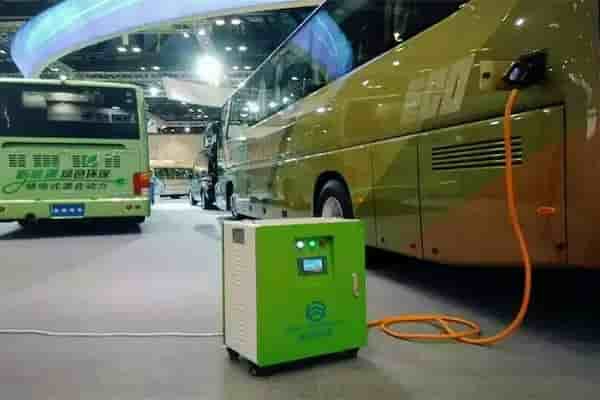
11 مايوأطلقت شركة نانجينغ كينغ لونغ للحافلات المحدودة أول حافلة تعمل بالطاقة الشمسية في الصين، ما أثار اهتماماً واسعاً في العالم. وقد طورت شركة SSE نظام شحن المركبات الكهربائية بالطاقة الشمسية الخاص بالحافلة.يعتمد نظام شحن المركبات الكهربائية بالطاقة الشمسية من شركة SSE على خلايا كهروضوئية مرنة وتقنية تحكم ذكية عالية الأداء. يُمكنه شحن البطاريات أثناء سير الحافلة، ما يُعد حلاً مثالياً للمشاكل الشائعة في المركبات الكهربائية، مثل قصر المدى وصعوبة الشحن. يحتوي النظام على وحدة تخزين للطاقة الشمسية، حيث يتم الشحن نهاراً واستخدام الطاقة الفائضة كمصدر طاقة احتياطي ليلاً. وقد تم توقيع العقد بين شركة نانجينغ كينغ لونغ للحافلات وشركة SSE في وقت سابق من هذا العام، وتم التوصل إلى اتفاق شراء بالجملة. وفي الوقت نفسه، ستُطبق شركة دونغفنغ موتور هذا النظام على حافلاتها التي تعمل بالطاقة المتجددة في التبت بعد التحقق من مزايا نظام شحن المركبات الكهربائية بالطاقة الشمسية من SSE.
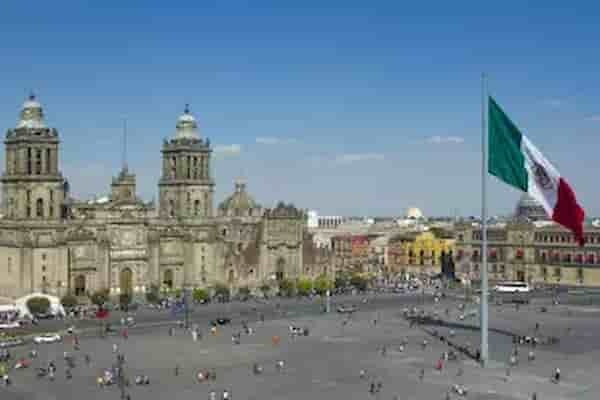
وماذا ستفعل المكسيك من أجل سولار سيتي؟أعلنت شركة سولار سيتي صباح اليوم عن استحواذها على شركة إيليوس، إحدى أكبر 20 شركة هندسية ومقاولات في المكسيك وفقًا لتقرير "لاتين أمريكا باور بلايبوك" للربع الثاني، بقيمة 10 ملايين دولار (مع إمكانية زيادة المبلغ إلى 20 مليون دولار عند تحقيق مكاسب إضافية). ويمثل هذا الاستحواذ علامة فارقة لشركة سولار سيتي، التي تنضم بذلك إلى شركتي سانجيفيتي وسن إديسون في السوق الدولية، كما أنه يُعد حدثًا ذا تأثير محتمل على سوق الطاقة الشمسية في المكسيك.أوضحنا العام الماضي سبب منطقية هذه الخطوة لشركة سولار سيتي. تخطط الشركة للحفاظ على استراتيجية نمو طموحة في ظل احتمال تقليص ضريبة الاستثمار في الولايات المتحدة، بينما تتمتع المكسيك بأسس اقتصادية قوية وتُعدّ من أكثر أسواق النمو سهولةً في العالم. يُمكّن استحواذ سولار سيتي على شركة إيليوس من الاستفادة من الخبرات المحلية ومشاريعها في سوق معقدة بدلاً من البدء من الصفر، وقد أشارت الشركة (بحق) إلى أن المكسيك تُشكّل نقطة انطلاق جيدة لمزيد من التوسع في أمريكا اللاتينية.سيصل حجم سوق الطاقة الشمسية الكهروضوئية السنوي في المكسيك إلى 2.6 جيجاوات في عام 2020 وفقًا لتوقعات شركة GTM Research، ليصل إجمالي حجم السوق إلى 7.6 جيجاوات. وتحتل المكسيك المرتبة الأولى في مجال توليد الطاقة الموزعة في أمريكا اللاتينية، ومن المتوقع أن يستحوذ القطاع التجاري والصناعي على 15% من السوق المكسيكية بحلول عام 2020، حيث سيبلغ حجم السوق 2.2 جيجاوات.توسيع نطاق سوق الطاقة الشمسية التجارية والصناعية في المكسيكتؤمن شركة سولار سيتي إيماناً راسخاً بأن السوق التجارية والصناعية هي أفضل فرصة لتحقيق نمو سريع، وأنا أتفق معها في ذلك. يتميز هذا القطاع بارتفاع أسعار الكهرباء، حيث تتراوح بين 0.09 دولار و0.17 دولار لكل كيلوواط ساعة، ونظام القياس الصافي، ووجود جهات مقابلة ذات جدارة ائتمانية عالية.الشكل: تركيبات الطاقة الشمسية الكهروضوئية التجارية والصناعية في أمريكا اللاتينيةالمصدر: دليل GTM Research لأمريكا اللاتينية للربع الثاني من العام حول الطاقة الشمسية الكهروضوئيةبالطبع، ثمة بعض التحديات. فقد انخفضت أسعار الكهرباء خلال الأشهر القليلة الماضية، مما فاقم مخاوف المستهلكين بشأن توقيع اتفاقيات شراء الطاقة طويلة الأجل. ويتوقع العديد من العملاء استمرار انخفاض أسعار الكهرباء نتيجة لإصلاح قطاع الطاقة (مع أننا نرى أن ذلك مستبعد، نظراً لتزايد خسائر شركة الكهرباء الوطنية). وقد صعّب تقلب العملة على المطورين الحصول على عروض أسعار وشروط تمويل ثابتة، مع تغير أسعار المكونات المستوردة أسبوعياً. كما أن رسوم الطلب المفروضة على كبار العملاء تقلل من عوائد الطاقة الشمسية. علاوة على ذلك، غالباً ما تكون معدلات الإقراض للمؤسسات الصغيرة والمتوسطة مرتفعة جداً، مع آجال سداد تقل عن خمس سنوات.مع ذلك، فإنّ مواجهة هذه التحديات هي تحديدًا جوهر اختصاص شركة سولار سيتي. من شأن توفير نموذج تأجير موحد أن يعزز ثقة المستهلك. تمتلك سولار سيتي النفوذ الكافي لجذب مستثمرين دوليين إلى السوق وتقديم تمويل بأسعار تنافسية أكثر من تلك المتاحة حاليًا عبر التمويل التجاري. كما أن دخول شركة كبيرة ذات طموحات عالية قد يحفز اندماج أكبر وأفضل شركات التركيب الإقليمية. صحيح أن وجود عدد كبير من الشركات يشجع المنافسة، إلا أن المكسيك عانت من مشاكل في مراقبة الجودة، ومن شأن علامة تجارية معترف بها على الصعيد الوطني أن ترفع مستوى المنافسة لجميع الشركات العاملة في السوق.بمجمل المعطيات، تُتيح هذه العوامل فرصةً هائلةً لشركة سولار سيتي في القطاع التجاري والصناعي، الذي يُمثّل ما يقارب 70% من إجمالي السوق النهائي في المكسيك، باستهلاك سنوي للكهرباء يتجاوز 170 جيجاوات ساعة. إضافةً إلى ذلك، قد يُساهم دخولها في رفع السوق إلى مستويات أعلى مما توقعناه في وقت سابق من هذا العام.نقطة أخيرة جديرة بالذكر: لماذا لا تتجه شركة سولار سيتي نحو المشاريع السكنية في المكسيك؟ مع أنني أعتقد أن الشركة ستدخل هذا المجال في نهاية المطاف، إلا أن سوق الطاقة الشمسية السكنية أقل قابلية للتوسع حاليًا، على الرغم من احتوائه على بعض العناصر الجذابة للغاية. فهيكل التعرفة في هذا السوق أكثر تشتتًا: فبينما يدفع حوالي 500 ألف مستهلك من ذوي الاستهلاك العالي أسعارًا تصل إلى 0.21 دولارًا أمريكيًا لكل كيلوواط/ساعة، يدفع معظم أفراد الطبقة المتوسطة ما يقارب 0.11 دولارًا أمريكيًا لكل كيلوواط/ساعة، ثم يدفع جزء كبير من المستهلكين حوالي 0.06 دولارًا أمريكيًا لكل كيلوواط/ساعة. كما أن الحصول على التمويل أصعب، نظرًا لأن شريحة كبيرة من المستهلكين السكنيين لا يملكون قروضًا. ويؤدي تقلب سعر صرف العملة مقابل الدولار الأمريكي والضريبة المفروضة على وحدات الطاقة الشمسية الكهروضوئية المستوردة إلى خفض هوامش الربح للتركيبات السكنية، لا سيما خارج شريحة الاستهلاك العالي.ومع ذلك، وعلى الرغم من تلك العوامل، هناك العديد من اللاعبين الإقليميين الأقوياء للغاية في سوق العقارات السكنية الذين يقومون بعمل رائع، بما في ذلك إطلاق بعض منتجات التأجير الجديدة، ونتوقع أن تبحث شركة SolarCity وغيرها عن عمليات استحواذ في سوق العقارات السكنية المكسيكية خلال العام المقبل.
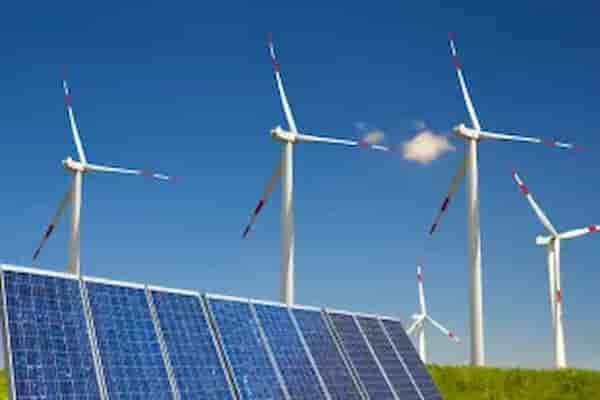
خلال بضع ساعات في نهاية الأسبوع الماضي، في 25 يوليو، شكلت مصادر الطاقة المتجددة 78 بالمائة من استهلاك الطاقة في ألمانيا، متجاوزة الرقم القياسي السابق البالغ 74 بالمائة. وقد تحقق الرقم القياسي الجديد للجيل الجديد بفضل مزيج من الرياح القوية في الشمال، حيث توجد معظم توربينات الرياح في ألمانيا، والظروف المشمسة في الجنوب، حيث قامت ألمانيا بتركيب معظم محطات الطاقة الشمسية.بحسب كريج موريسخبير يكتب عن التحول الطاقي في البلاد. هذه الأرقام أولية. ولكن بافتراض صحتها، سيبلغ إنتاج الطاقة الشمسية وطاقة الرياح في ألمانيا يوم السبت الماضي 40.65 جيجاوات. وبإضافة طاقة الكتلة الحيوية والطاقة الكهرومائية، يصل إجمالي إنتاج الطاقة المتجددة إلى 47.9 جيجاوات. في ذلك الوقت، بلغ ذروة الطلب المحلي على الطاقة في ألمانيا 61.1 جيجاوات. المصدر: EnergyCharts.de رغم أن هذا إنجاز هام، إلا أن ألمانيا لا تزال بعيدة كل البعد عن أن تصبح دولة تعتمد كلياً على الطاقة المتجددة. ولا تزال القوة الصناعية الأوروبية الكبرى يعتمد بشكل كبير على الفحموالتي تشكل حاليًا أكثر من 40 بالمائة من مزيج الطاقة في ألمانيايشكل الغاز الطبيعي ما يقرب من 10 بالمائة أخرى. يخشى البعض من أن سعي ألمانيا نحو الطاقة المتجددة والتحول بعيدًا عن الطاقة النووية يؤدي في الواقع إلى زيادة استخدام الفحم والليغنيت (نوع من الفحم البني الناعم). في نوفمبر 2013، نشرت بلومبيرغ تقريرًا بهذا الشأن. تم الإبلاغ أعلنت ألمانيا عن تشغيل أول محطة طاقة تعمل بالفحم منذ ثماني سنوات. ووفقًا لمنظمة "دويتشه أومفيلت هيلفه" البيئية، فقد دخلت عشر محطات جديدة تعمل بالفحم الخدمة أو كان من المقرر أن تدخل الخدمة في عامي 2013 أو 2014. لكن آخرين يقولون إن العلاقة بين تحول الطاقة و"عودة الفحم" مجرد خرافة. تقرير أظهرت دراسة أجراها كريج موريس وأرني يونغيوهان أن مشاريع الفحم الجديدة في ألمانيا بدأت بين عامي 2005 و2007 عندما كانت أسعار أرصدة الكربون منخفضة وكان المطورون يرغبون في إكمال المحطات قبل تشديد معايير التلوث. وفي الوقت نفسه، وجدوا أن نمو مصادر الطاقة المتجددة قد حل محل الطاقة النووية بشكل كامل خلال العقد الماضي. لكن موريس ويونغيوهان أشارا أيضاً إلى أن الفحم ليس في خطر حقيقي. بحسب التقرير، لم تُسهم مصادر الطاقة المتجددة إلا بشكل طفيف في خفض الطلب على الكهرباء المولدة من الوقود الأحفوري. وقد تم تعويض النقص في الطاقة المولدة من الغاز الطبيعي بشكل رئيسي، على أن يأتي الفحم الحجري في المرتبة التالية وفقًا لسعر الوقود في ترتيب الأفضلية. ويفتقر التقرير إلى سياسات محددة للحد من استخدام الليغنيت وزيادة استخدام الغاز الطبيعي. وما لم يتغير هذا الوضع، فمن غير المرجح أن يشهد السوق انخفاضًا في إنتاج الطاقة من الليغنيت حتى منتصف العقد الحالي. تهدف ألمانيا عموماً إلى زيادة مساهمة مصادر الطاقة المتجددة إلى ما بين 40% و45% من إجمالي إنتاج الطاقة بحلول عام 2025، وإلى ما بين 55% و60% بحلول عام 2035. ورغم أن نسبة 78% المسجلة كانت حدثاً استثنائياً، إلا أنها مؤشر على التقدم الذي تحرزه ألمانيا نحو تحقيق أهدافها. فعلى أساس سنوي، تُشكّل الطاقة المتجددة 28% من مزيج الطاقة في ألمانيا، وهو إنجازٌ هامٌ لدولةٍ صناعيةٍ متقدمة. يظل توليد الطاقة المتجددة قويًا حتى في أوقات التذبذب الشديد. ففي ليلة 22 يوليو/تموز، على سبيل المثال - قبل أيام قليلة من اليوم الذي حطم فيه الرقم القياسي - انخفض إنتاج طاقة الرياح إلى ما بين 2 و3 جيجاوات، وانخفض إنتاج الطاقة الشمسية إلى الصفر، وفقًا لتقرير موريس. لكن الطاقة الكهرومائية والكتلة الحيوية استمرتا في توليد 9.5 جيجاوات من إجمالي حمولة تبلغ 40 جيجاوات. وهكذا، حتى مع انخفاض إنتاج الطاقة الشمسية وطاقة الرياح، استمرت مصادر الطاقة المتجددة في تلبية حوالي ربع احتياجات ألمانيا من الكهرباء. على الرغم من التوقعات الكارثية، فإن ألمانيا أيضاً نجا من كسوف شمسي استمر ساعتين ونصف في وقت سابق من هذا العام، انخفض إنتاج الطاقة الشمسية من 21.7 جيجاوات إلى 6.2 جيجاوات بسرعة كبيرة. "توضح هذه الأيام القياسية أن ألمانيا لديها البنية التحتية والقدرة اللازمة [للتعامل مع كميات كبيرة من مصادر الطاقة المتجددة]، والعمل على جعل هذه الحالات الشاذة أكثر جدوى وتحدث بشكل منتظم"، كما قال روريك ماكورستين، مدير برنامج شبكة الطاقة والمناخ عبر الأطلسي في مؤسسة هاينريش بول في أمريكا الشمالية. وأضاف: "إن التحول في مجال الطاقة مشروع طويل الأجل، لكننا نرى هذه الأيام القياسية كدليل على أنه ناجح".
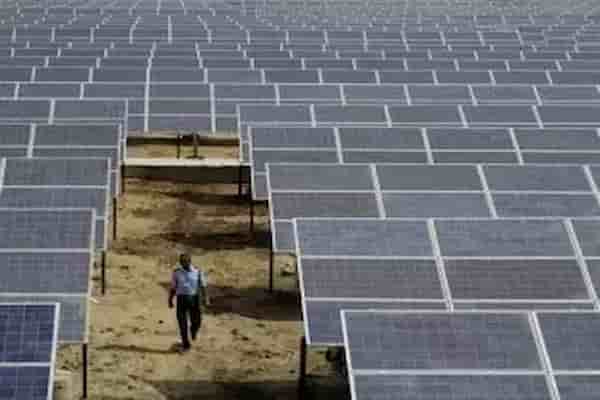
هل تستطيع الهند تركيب 5 جيجاوات من الطاقة الشمسية على أسطح المنازل بحلول عام 2017؟ أصدرت الهند خارطة طريق سنوية لهدفها الطموح في مجال الطاقة الشمسية. 100 جيجاوات بحلول عام 2022. من المقرر أن تمثل الطاقة الشمسية على أسطح المنازل 40 بالمائة من الهدف، بينما ستشكل المشاريع الأكبر على نطاق الشبكة النسبة المتبقية. سيتعين على أنظمة الطاقة الشمسية الكهروضوئية على أسطح المنازل تحقيق نمو هائل وسريع. تدعو الحكومة إلى تركيب 200 ميغاواط من الطاقة الشمسية على أسطح المنازل في الفترة 2015-2016، ولكن سيتعين رفع هذا الرقم إلى 4800 ميغاواط بحلول عام 2017 للبقاء على المسار الصحيح. سيتعين على منظمي الكهرباء الحكوميين شراء الطاقة الشمسية كجزء من محافظهم الاستثمارية، بهدف أولي قدره 0.25 بالمائة سينمو إلى 3 بالمائة بحلول عام 2022. اعتبارًا من 30 يونيو، كان لدى الهند ما يزيد قليلاً عن 4000 ميجاوات من الطاقة الشمسية المركبة. في وقت سابق من هذا العام، التزمت نحو 300 شركة عالمية بتوليد 266 ألف ميغاواط من الطاقة الشمسية وطاقة الرياح والكتلة الحيوية والطاقة الكهرومائية الصغيرة خلال العقد المقبل. ويُقدّر إجمالي الاستثمار بأكثر من 300 مليار دولار. وكان من أبرز هذه الالتزامات تعهد شركة سوفت بنك اليابانية، بالتعاون مع شركة بهارتي إنتربرايزز وشركة فوكسكون التايوانية، باستثمار نحو 20 مليار دولار في مشاريع الطاقة الشمسية في الهند. قد تشير الأهداف الطموحة والالتزامات المثيرة للإعجاب إلى تحول في قطاع الطاقة في الهند، لكن لا تزال هناك تحديات كثيرة. على سبيل المثال، سيتعين بذل جهود كبيرة الاستثمار في شبكة الكهرباء لدعم مستوى مصادر الطاقة المتجددة، وخاصة توليد الطاقة الموزعة، الذي يتم اقتراحه. من الأفضل أيضاً إدخال تغييرات على سوق الطاقة. وتُناقش العديد من هذه القضايا على أعلى مستويات الحكومة، إذ يخطط رئيس الوزراء مودي لتوفير الكهرباء لـ 400 مليون منزل محروم منها حالياً. قد يكون تبني الهند للطاقة الشمسية الموزعة أمراً فريداً، حيث أن جزءاً كبيراً منها قد لا يكون مرتبطاً بالشبكة الرئيسية. تقرير واحد ووجدت الدراسة أنه حتى مع التوسع الحالي لشبكة الكهرباء في الهند، قد يظل ما يصل إلى 75 مليون أسرة خارج الشبكة في عام 2024، مما قد يفتح الباب أمام الشبكات الصغيرة. الطاقة الشمسية مع التخزين حلول.

تضيف المدينة ما مجموعه 288 سيارة كهربائية كجزء من اتفاقية مناخية واسعة النطاق مع الصين. بعد بضع سنوات، قد تقوم إدارة شرطة لوس أنجلوس بتنفيذ مطارداتها عالية السرعة باستخدام سيارات كهربائية.كجزء من مبادرة مناخية أوسع، حصلت شرطة لوس أنجلوس الأسبوع الماضي على سيارة تسلا موديل إس P85D بقيمة 160 ألف دولار لإجراء بعض التعديلات عليها - وربما تحويلها إلى إحدى سيارات المطاردة التابعة للشرطة."نحن نستخدم [موديل إس] في أسطول يستخدمه المحققون والموظفون، ونأمل أن نتمكن من البحث والتحضير لمركبة مطاردة قد تعمل بالبطارية الكهربائية في المستقبل"، هذا ما قاله مات بيترسن، كبير مسؤولي الاستدامة في لوس أنجلوس، في مقابلة.كما تم إعارة شرطة لوس أنجلوس سيارة BMW i3. وستستخدم هذه المركبات لإجراء اختبارات من قبل خبراء تقنيين في شرطة لوس أنجلوس لتحديد كيفية دعم تكنولوجيا المركبات الكهربائية للعمليات.تُعدّ هاتان المركبتان الفاخرتان جزءًا من خطة توسع كبيرة في مجال السيارات الكهربائية. فقد أعلن عمدة لوس أنجلوس، إريك غارسيتي، أن المدينة ستستأجر أيضًا 160 سيارة كهربائية تعمل بالبطارية و128 سيارة هجينة قابلة للشحن. وستُخصص مئة من هذه السيارات الكهربائية لقسم الشرطة، ما يجعلها أكبر عملية شراء حكومية للسيارات الكهربائية في البلاد."تفخر شرطة لوس أنجلوس بكونها من بين وكالات إنفاذ القانون التي تقود الطريق نحو الاستدامة باستخدام المركبات الكهربائية، وخفض تكاليف التشغيل في الوقت نفسه"، هذا ما قاله رئيس شرطة لوس أنجلوس تشارلي بيك في بيان.ستساهم هذه العقود الإيجارية في تحقيق التزام غارسيتي بخطة المدينة المستدامة لضمان أن تكون 50% من مشتريات المركبات الخفيفة السنوية في لوس أنجلوس مركبات كهربائية بحلول عام 2017. وبموجب هذه المبادرة، هناك هدف طويل الأجل يتمثل في أن تكون 80% من مشتريات أسطول مركبات المدينة كهربائية بحلول عام 2025.ساهم الإعلان عن السيارات الكهربائية في انطلاق قمة قادة المناخ الأمريكية الصينية في لوس أنجلوس هذا الأسبوع، وهو حدث يهدف إلى البناء على الشراكة المناخية التاريخية التي أعلنها الرئيسان أوباما وشي في نوفمبر الماضي. ويوم الثلاثاء، وقّع العديد من قادة المدن والولايات والمقاطعات في الولايات المتحدة والصين على إعلان جديد لاتخاذ إجراءات مُعززة للحد من انبعاثات الكربون، وزيادة القدرة على التكيف مع تغير المناخ، وتعزيز التعاون الثنائي. كما اتفق قادة البلدين على التعاون في تطوير أسواق الكربون.بالإضافة إلى ذلك، وافقت 11 مدينة صينية على بلوغ ذروة انبعاثاتها في وقت أبكر من الهدف الوطني لعام 2030. وتنتج هذه المدن الـ 11 مجتمعة نفس كمية الانبعاثات السنوية التي تنتجها اليابان أو البرازيل، وفقًا للبيت الأبيض.قال بيترسون: "يأتي 42% من إجمالي انبعاثات غازات الاحتباس الحراري من الولايات المتحدة والصين، وتقود المدن الجهود المبذولة لخفض الانبعاثات والاستعداد لواقع تغير المناخ. إذا نجحنا في إنجاح هذه القمة، فسيسهم ذلك في دعم جميع الأطراف المشاركة في مفاوضات باريس للمناخ".تحدث نائب الرئيس جو بايدن في قمة قادة المناخ بين الولايات المتحدة والصين في لوس أنجلوس يوم الأربعاء، بعد إعلانه عن تمويل بقيمة 120 مليون دولار للطاقة الشمسية في مؤتمر الطاقة الشمسية الدولي.
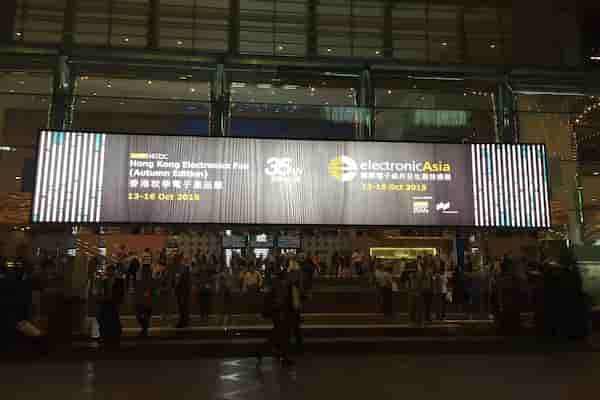
13 أكتوبر 2015 - 16 يومًاافتُتح معرض هونغ كونغ للإلكترونيات في دورته الخامسة والثلاثين، الذي نظّمه مجلس تنمية تجارة هونغ كونغ، في مركز هونغ كونغ للمؤتمرات والمعارض. وقد استقطب المعرض أكثر من 4100 عارض من 27 دولة ومنطقة. ويُعدّ هذا المعرض، الذي يُغطي المنتجات الإلكترونية وغيرها من المجالات، بما في ذلك السمعية والبصرية، والوسائط المتعددة، والتصوير الرقمي، والأجهزة المنزلية، والاتصالات، وملحقات الإلكترونيات، أكبر معرض إلكترونيات وأكثرها تأثيرًا في العالم. تُعدّ مشاركة شركة "amorphousbus" هذه المرة في معرض هونغ كونغ للإلكترونيات (الجناح رقم: 5G-F30) خطوةً هامةً نحو العالمية. وتشمل المعروضات شرائح غير متبلورة ونانوية التبلور، وقلوب نانوية التبلور لأنظمة الطاقة، وقلوب نانوية التبلور للطاقة عالية التردد، ومحولات تيار من النوع C ذات قلب غير متبلور ومقطع بدقة متناهية، وغيرها. وقد اجتذبت هذه المنتجات مشاركين من آسيا وأوروبا والأمريكتين، بالإضافة إلى اهتمام كبير من المشترين من هونغ كونغ وماكاو وتايوان. وقد أبرمت شركتي اتفاقيات تعاون مع بعض المشترين الحاضرين في المعرض. بصفتنا قوة جديدة في هذا المجال، "amorphousbus"، نبذل قصارى جهدنا، ونستخدم العمل الفعلي لنصنع أسطورة تلو الأخرى، كنموذج يحتذى به في هذا القطاع. بالطبع، كل هذا لن يتحقق إلا بدعمكم ومساندتكم في رحلتنا القادمة، ونتطلع إلى أن نسير معكم لنحقق النجاح، ونفتح آفاقًا جديدة للإبداع!
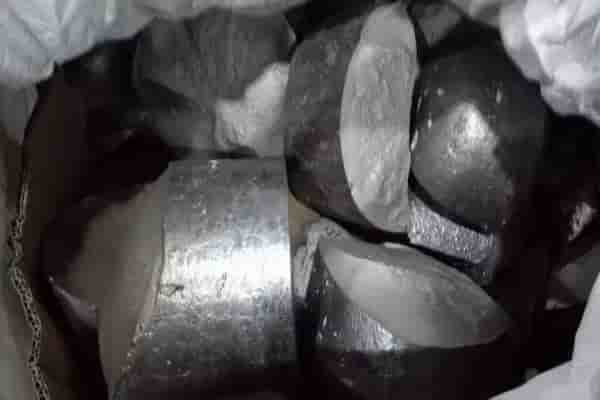
شركة آنهوي أمورفوسبوس للتجارة الإلكترونية المحدودة بدأ المشروع رسمياً في 3 يناير 2016، بطاقة إنتاجية سنوية تبلغ 3000 طن من السبائك الرئيسية غير المتبلورة. منتجات السبائك الرئيسية غير المتبلورة المصنعة باستخدام عملية الصهر الفراغي، وتستخدم بشكل أساسي في إنتاج الشرائط النانوية البلورية، وتتميز بكثافة عالية، وسيولة جيدة، ونسبة خشب عالية، مما يجعلها تحظى بإشادة واسعة من العملاء!
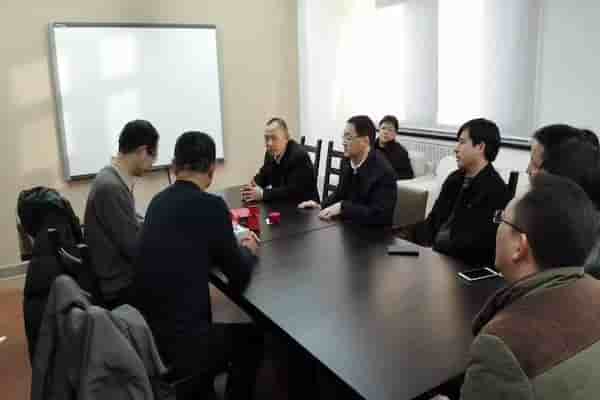
11 يناير 2016، توجه قادة شركة Anhui Amorphousbus E-business Co.,ltd إلى بكين لزيارة البروفيسور وانغ ويهوا، الأكاديمي في الأكاديمية الصينية للعلوم.أكاديمي انخرط وانغ بشكل رئيسي في أبحاث المواد غير المتبلورة الجديدة والمواد النانوية.أكاديمي أجرى وانغ وقادة شركتنا نقاشًا مستفيضًا حول الوضع الراهن لتطوير المواد غير المتبلورة، وخلصوا إلى أن التعاون العالمي ضروري وملحّ للغاية. وأكدوا أن أهم ما يجب فعله هو الابتكار، الذي سيساهم في جعل بلدنا دولة رائدة في مجال الابتكار. وفي الوقت نفسه، قدم لنا الأكاديمي وانغ العديد من النصائح القيّمة لمنتجاتنا، والتي تُعدّ مفيدة جدًا في تطويرها.
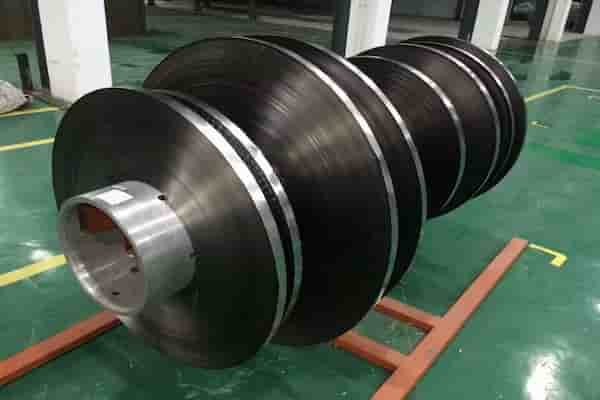
شركة آنهوي أمورفوسبوس للتجارة الإلكترونية المحدودة بدأ المصنع بإنتاج 1000 طن من شرائط النانوكريستال في يونيو 2016. يتراوح عرض الشريط بين 8 و40 ملم، بينما يتراوح سمك شريط الجاذبية بين 33 و38 ميكرومتر، وسمك شريط الضغط بين 18 و24 ميكرومتر. بالمقارنة مع المواد التقليدية، تتميز شرائط النانوكريستال بنفاذية مغناطيسية أولية أعلى، ومغناطيسية متبقية منخفضة، وفقد منخفض، مما يوفر الطاقة بشكل أكبر. كما أنها صديقة للبيئة. وقد تم تطبيقه على نطاق واسع لـ محول إلكتروني للطاقة، محاثة متبادلة، محاثات الوضع المشتركمفتاح عالي التردد، شريط مغناطيسي مضاد للسرقة، شحن لاسلكي للهواتف المحمولة.
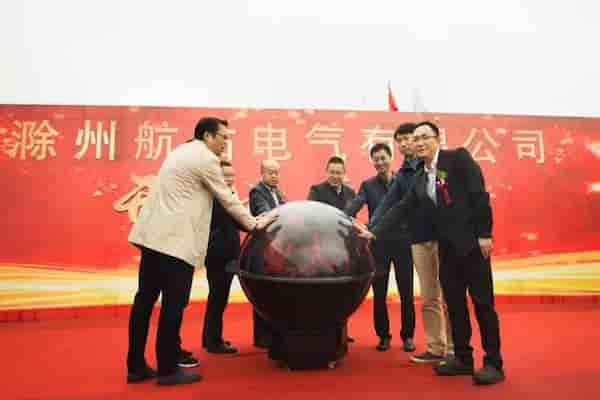
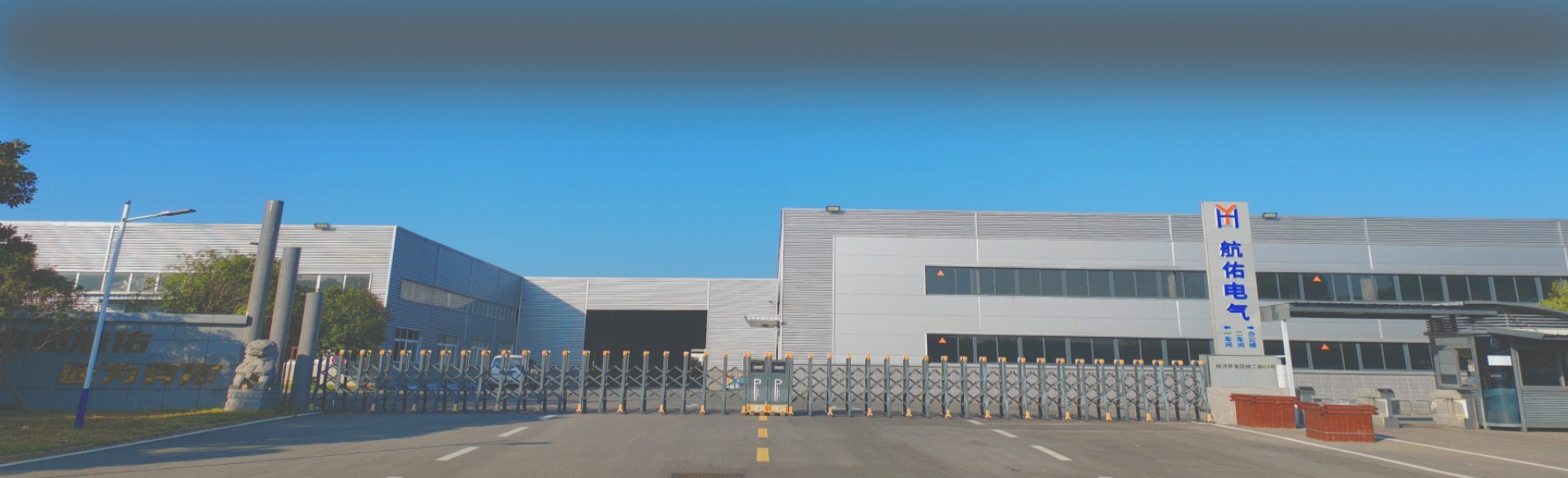
في صباح يوم 29 أبريل، أقامت شركة تشوتشو هانغيو للكهرباء المحدودة حفل افتتاح كبير. امتلأ المكان بالطبول والألعاب النارية، وأضفى عرض الطبول الرائع أجواءً مفعمة بالحيوية.حضر وانغ جونسونغ، المدير العام للشركة، إلى موقع الافتتاح لتدشين فرع تشوتشو هانغيو. وقدّمت حكومة مقاطعة كوانجياو، بقيادة محافظ المقاطعة يانغ غوانغ ونائبه بان شوروي، وعدد من ممثلي عملاء الشركة، التهاني الحارة بمناسبة افتتاح الشركة. شركة تشوتشو هانغيو للكهرباء المحدودة هي شركة متخصصة في تصميم وتطوير وإنتاج مواد مغناطيسية جديدة، مثل المواد غير المتبلورة، والمواد النانوية المتبلورة، وصفائح الفولاذ السيليكوني، والمنتجات ذات الصلة. تشمل منتجات الشركة بشكل رئيسي أنواعًا مختلفة من الشرائح غير المتبلورة والنانوية المتبلورة، وقلوب محولات التيار ذات الجهد العالي والمنخفض، وقلوب محولات التيار الدقيقة، وقلوب المحاثات ذات الوضع المشترك، وقلوب محاثات تصحيح معامل القدرة، وقلوب محولات الطاقة عالية التردد، وغيرها من الأجهزة الخاصة ذات الصلة، والتي تخدم بشكل أساسي مركبات الطاقة الجديدة، وتوليد الطاقة الكهروضوئية، وطاقة الرياح في الصناعات الاستراتيجية الجديدة الوطنية. كما تُستخدم منتجاتها في مجالات توليد الطاقة، والأجهزة المنزلية الذكية، والعدادات الذكية، والشحن اللاسلكي، ومصادر الطاقة المختلفة، والمحولات، ومحاثات الترشيح، ومواد الحماية، وغيرها."هانغيو ممتاز، بفضلكم"، نرحب ترحيباً حاراً بجميع عملائنا الجدد والقدامى.
Social Link :


حقوق الطبع والنشر
@ 2026 شركة آنهوي هانغيو المحدودة جميع الحقوق محفوظة
. الشبكة المدعومة
ترك رسالة
امسح ضوئيًا إلى WeChat :